

This post contains affiliate links.
On Finger Paint Family, discover practical homeschooling tips for establishing daily routines, creating dedicated study spaces, and building a supportive community to help your child thrive.
Homeschooling offers a flexible educational path where parents guide their children through customized learning experiences at home. Success requires balancing structured routines with the adaptability to meet individual learning paces, ensuring that academic standards are met while honoring natural curiosity.
Managing a home classroom brings unique daily hurdles alongside its rewards. Building a sustainable rhythm takes time, and you will likely need to adjust your approach as your child grows, meaning flexibility becomes just as important as lesson planning.
The following practical strategies will help you create a productive and nurturing environment for your family. Consistent daily schedules provide stability, while dedicated study spaces minimize distractions. Incorporating hands-on activities, seeking community support, and celebrating regular achievements will further enrich the experience and boost motivation.
20 Essential Homeschooling Tips Every Parent Needs to Know!

1. Establish a Routine

A daily routine can be a game changer for your homeschooling experience! Kids flourish when they know what to expect, bringing a sense of rhythm to their day. Set specific times for subjects like math, reading, and art, while remembering to schedule breaks for relaxation and playtime. This structure helps maintain focus and boosts productivity throughout the day. Editor’s Choice
Kick off each day with a regular start time and a fun breakfast to create a positive atmosphere. Consider holding a weekly family meeting to outline plans, discuss upcoming activities, and celebrate achievements together. Displaying a visible schedule can also help kids stay on track and accountable for their learning.
Tips for establishing a routine:
– Use a colorful visual schedule to engage younger kids.
– Allow for flexibility to embrace spontaneous learning opportunities.
– Include subjects that spark your children’s interest.
– Celebrate successes to enhance motivation!Establish a Routine

Visual Timetable & Routine Chart, 35 Communication Cards for Autism, ADH…
 Amazon£19.95

Wall Calendar from Jun 2026-Dec 2027,19 Month Academic Wall Calendar 202…
Amazon£12.59
Mega Homeschool Planner and Organizer ‘In Bloom’: Fully Customizable Pla…
Amazon£8.59
2. Create a Dedicated Learning Space

Transforming a specific area in your home into a dedicated learning space can enhance focus and creativity. It doesn’t need to be a separate room; a cozy corner or a vibrant nook can work wonders. The key is to make it inviting and functional! Editor’s Choice
Stock this area with essential supplies like books, art materials, and educational tools for easy access. Personalize it with inspiring decor, such as a vision board or children’s artwork, to motivate and engage them. A dedicated learning environment signals to kids that it’s time to focus, fostering a positive mindset towards education.
Ideas for your learning space:
– Organize materials using shelves for easy access.
– Choose comfortable seating to encourage longer study sessions.
– Maximize natural light to create a welcoming ambiance.
– Rotate learning materials regularly to keep the space stimulating.Create a Dedicated Learning Space

Magic Water Elf Toy Craft Kits, Aqua Fairy Water Gel DIY Squishies Squis…
Amazon£19.99
ErGear Electric Standing Desk 120 x 60cm 4 Memory with Splice Board | 72…
Amazon£99.99
60x40cm Large Bulletin Board, Decorative Felt Pin Board, 0.9cm Thick Fol…
Amazon£8.76
3. Incorporate Hands-On Learning

Engaging your children with hands-on activities can make learning exciting and memorable! Whether it’s science experiments, creative arts, or cooking, these interactive experiences enhance understanding and retention. Editor’s Choice
For instance, when exploring nature, plan a visit to a local park or garden. If your kids are learning measurements in math, try baking together to practice these concepts in a fun way. Incorporating hands-on learning not only reinforces lessons but also nurtures critical thinking and problem-solving abilities.
Ideas for hands-on activities:
– Start a garden to teach kids about plants and ecosystems.
– Use building blocks to visually explain math concepts.
– Conduct science experiments with common household items.
– Encourage creativity with arts and crafts that connect to your lessons.Incorporate Hands-On Learning

Science Workshop: Creative Ideas for Budding Pioneers: Hands-on science …
Amazon£9.77
Baker Ross AV534 A5 Rainbow Coloured Card – Pack of 50 Sheets, 220gsm, A…
Amazon£3.95
HOTUT 35 Pcs Kids Knife Set for Chopping, Kids Cooking Set with Foldable…
Amazon£9.99
4. Embrace Technology

In our digital world, technology can significantly enhance your homeschooling journey! From online courses to educational apps, the options available are extensive and can cater to various learning styles. Editor’s Choice
Explore educational websites, YouTube tutorials, and virtual museum tours to supplement your traditional curriculum. These resources can make lessons more engaging and interactive. Just remember to monitor screen time and choose age-appropriate content to keep your kids safe and interested.
Tips for using technology effectively:
– Schedule specific times for online learning activities.
– Discover interactive educational apps that make learning enjoyable.
– Encourage kids to create digital projects like videos or presentations.
– Discuss online safety and etiquette to promote responsible internet use.Embrace Technology

Homeschooling: The Early Years: Your Complete Guide to Successfully Home…
Amazon£14.64
Amazon Fire HD 10 Kids tablet (newest gen) | ages 3–7, includes ads-fr…
Amazon£199.99
Dry Erase Whiteboard, DumanAsen Double Sided White Board with Dry Erase …
Amazon£8.49
5. Foster a Love for Reading

Nurturing a passion for reading can unlock countless opportunities for your children. Create a cozy reading nook filled with diverse books that cater to various interests and age levels. Editor’s Choice
Make daily reading sessions an enjoyable family routine where everyone—parents included—snuggles up with a good book. Incorporate reading into your lessons by selecting books that align with your subjects. Starting a family book club can also spark discussions and recommendations among your kids.
Strategies to cultivate a love for reading:
– Participate in local library events and programs.
– Take turns reading aloud to each other for shared enjoyment.
– Explore different genres, from fiction to graphic novels.
– Celebrate reading accomplishments with fun discussions or rewards.Foster a Love for Reading

Word Families Activities: Building Reading Skills for Kids ages 4-6
Amazon£11.07
OHS Sit Up in Bed Pillow Cuddle Cushion, Reading Pillow Back Support Cus…
Amazon£17.99
My First Book of Planets: All About the Solar System for Kids
Amazon£5.99
6. Make Learning Relevant

Making learning relevant to your children’s lives can significantly enhance their engagement. Kids are more likely to connect with material that relates to their own experiences or future goals. Integrate real-world examples into your lessons to help them see the importance of what they’re learning. Editor’s Choice
For instance, if your kids are studying money management, take them grocery shopping to discuss budgeting. Relate history lessons to current events to show how past events shape today. This connection deepens their understanding and appreciation for their studies.
Ways to make learning relevant:
– Integrate current events into social studies discussions.
– Relate math lessons to real-life situations like shopping.
– Connect science lessons to hobbies like cooking or gardening.
– Encourage projects that reflect their interests and future aspirations.Make Learning Relevant


Mattel Games Scrabble Junior Board Game for Ages 6+, English Edition | C…
Amazon£12.99
7. Encourage Collaborative Learning

Learning can be a shared adventure! Encouraging collaboration among siblings or friends fosters deeper understanding and engagement. Create opportunities for your kids to work together on projects, whether it’s building a science model or co-writing a story. Editor’s Choice
Group discussions about their learning experiences can also enhance critical thinking and communication skills. Consider organizing group activities with other homeschooling families, such as co-op classes or field trips, for added fun and learning.
Benefits of collaborative learning:
– Builds teamwork and social skills.
– Allows children to learn from each other’s strengths.
– Creates a supportive learning community.
– Makes education more enjoyable and interactive.Encourage Collaborative Learning

Yopay 240 Pieces Molecular Model Kit, Organic and Inorganic Chemistry Mo…
Amazon£13.99
8. Prioritize Physical Activity

Physical activity is crucial in a homeschooling routine! Staying active not only supports physical health but also boosts concentration and mental well-being. Integrate physical education into your days with activities like yoga, dance, or outdoor play. Editor’s Choice
Consider scheduling ‘movement breaks’ where kids can stretch or do quick exercises between lessons. Explore community sports or classes for new skills and socialization opportunities. Balancing learning with movement keeps energy high and minds sharp!
Ways to incorporate physical activity:
– Set aside daily outdoor playtime or nature walks.
– Use fun educational videos for dance or exercise breaks.
– Organize family activities, like biking or hiking.
– Include movement in lessons with scavenger hunts or obstacle courses.Prioritize Physical Activity

CWLAKON Sports Day Kit Outdoor Games Potato Sack Race Bags for Kids Adul…
Amazon£28.04
Skipping Rope Kids, Adjustable Children Jump Rope with Wooden Handle for…
Amazon£5.99
Core Balance Kids Yoga Mat, 152cm x 60cm | 6mm PVC Foam, Non-Slip Surfac…
Amazon£12.74
9. Seek Community Support

Homeschooling can feel lonely, but you don’t have to go it alone! Seek out local homeschooling groups, workshops, and community events to connect with families on a similar path. These networks can provide support, resources, and even cooperative learning activities. Editor’s Choice
Socializing with other homeschooling families gives your kids opportunities to make friends and learn together. Look for co-ops or clubs that match your child’s interests, whether in STEM, arts, or sports.
Ways to seek community support:
– Join local online groups or forums for homeschooling families.
– Attend homeschooling meetups or educational fairs.
– Participate in community events or workshops.
– Network with other families for shared resources and ideas.Seek Community Support

TOMY Pop Up Pirate Classic Children’s Action Board Game, Family and Pres…
Amazon£9.99
10. Keep a Learning Journal

A learning journal can be a powerful tool for children and parents alike. It allows kids to reflect on their experiences, document progress, and express their creativity through notes, drawings, or photos of their work. Editor’s Choice
Encourage your children to write about their favorite subjects, challenges they’ve faced, and goals they wish to achieve. For parents, it serves as a valuable way to track educational milestones and identify areas needing additional support.
Benefits of maintaining a learning journal:
– Develops writing and reflection skills.
– Encourages ownership of their learning process.
– Creates a tangible record of accomplishments.
– Assists with planning and goal-setting efforts.Keep a Learning Journal

Journal Kit for Teenage Girl Gift, Girl Diary Scrapbook Kit Age 8+ (2 Pa…
Amazon£21.24
smART DICE Drawing & Painting Game for Adults | A Unique Arts & Crafts K…
Amazon£14.99
11. Encourage Critical Thinking

Homeschooling offers a unique chance to nurture critical thinking skills in your children. Instead of rote memorization, inspire them to ask questions, explore diverse perspectives, and creatively solve problems. Engage in discussions that prompt deep thinking about various topics. Editor’s Choice
Use puzzles, strategy games, or debates to sharpen their analytical skills. Encouraging critical thinking will empower your children to become independent thinkers, benefiting them well beyond their school years.
Strategies for promoting critical thinking:
– Ask open-ended questions that invite thoughtful answers.
– Encourage them to devise their own solutions to problems.
– Discuss current events together and explore differing viewpoints.
– Introduce games and activities that enhance logic and strategy.Encourage Critical Thinking

Binary Puzzle Book for Adults – 504 Puzzles – Easy to Hard: Critical Thi…
Amazon£5.99
Orchard Toys Shopping List Game, Matching Family Board Game for Kids Age…
Amazon£5.99
Sparking Conversations – Fun Card Game | Icebreaker | For Kids, Family &…
Amazon£12.99
12. Include Life Skills in the Curriculum

Homeschooling is an excellent opportunity to teach your kids essential life skills alongside traditional subjects. Incorporate lessons on cooking, budgeting, gardening, and even basic home repairs into your curriculum. Editor’s Choice
These practical skills are just as important as academics and prepare children for real-world challenges. Teaching life skills can also be a fun way to bond as a family while learning valuable lessons together.
Examples of life skills to teach:
– Cook healthy meals together for hands-on learning.
– Introduce budgeting for shopping trips to practice financial literacy.
– Teach gardening basics to foster responsibility and connect with nature.
– Show them basic sewing or home repair tasks for practical knowledge.Include Life Skills in the Curriculum


Kitchen Utensils Set – 25pieces Non-Stick Heat Resistant Cooking Utensil…
Amazon£19.99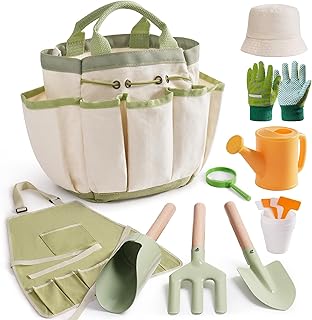
ROBOTIME 18PC Kids Gardening Tool Set with Metal Tool & Apron, Green | G…
Amazon£22.99
13. Celebrate Achievements

Recognizing and celebrating achievements—big or small—can significantly enhance your child’s motivation. Whether it’s completing a challenging project or mastering a new skill, take time to acknowledge their hard work. This could be as simple as a special treat or a family outing. Editor’s Choice
Celebrating accomplishments creates positive reinforcement, helping kids associate learning with fun and joy. It strengthens the idea that effort leads to success, encouraging them to keep striving for their goals.
Ideas for celebrating achievements:
– Organize a mini-award ceremony at home for recognition.
– Create a celebration jar where kids add notes about their achievements.
– Share successes with friends or family for added encouragement.
– Plan a fun family day out to mark milestones together.Celebrate Achievements
Mattel Games Scrabble Junior Board Game for Ages 6+, English Edition | C…
Amazon£12.99

PATIKIL Congratulations Sash, Birthday Sash for Women Party Birthday Que…
Amazon£4.49
14. Adapt and Be Flexible

Flexibility is essential in homeschooling! What works one day might not resonate the next, and that’s perfectly fine. Be open to adjusting your curriculum based on your child’s needs and interests. If they struggle with a subject, consider changing materials or trying a new approach. Editor’s Choice
Embrace spontaneous learning opportunities that arise during daily life. The ability to pivot when things don’t go as planned adds both challenge and joy to the homeschooling experience.
Tips for staying flexible:
– Regularly check in with your children about what’s working for them.
– Welcome unplanned lessons that emerge from everyday activities.
– Adjust your routine as necessary to maintain enthusiasm and engagement.
– Learn alongside your children to model adaptability.Adapt and Be Flexible

Simulation Of Miniature Creative Learning Supplies Backpack Combination …
Amazon£7.99
Learning Resources Changing Seasons Sensory Tubes, Sensory Fidget Tubes,…
Amazon£21.99
15. Invest in Good Resources

Quality educational resources can transform your homeschooling experience. Invest in curricula that align with your child’s preferred learning style, whether it’s hands-on, auditory, or visual. Many online platforms offer free trials, allowing you to explore materials before making a commitment. Editor’s Choice
Diversifying your resources with both physical and digital materials can enhance the learning experience. This may include workbooks, textbooks, online courses, and educational games. Finding the right tools can ignite your child’s passion for learning and help them excel academically.
Suggestions for finding quality resources:
– Consult with other homeschooling families for their recommendations.
– Look for educational discounts or bundles online.
– Visit local libraries for free educational materials.
– Attend homeschooling expos for additional resources and ideas.Invest in Good Resources
Orchard Toys Shopping List Game, Matching Family Board Game for Kids Age…
Amazon£5.99
The Complete Guide to a Successful Homeschooling for the Beginner: The u…
Amazon£5.01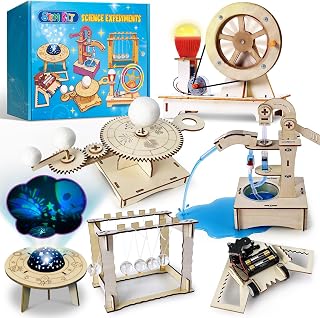
STEM Science Kits for Kids Age 8-14, Physic Wood Craft Building | S.T.E….
Amazon£19.99
16. Make Field Trips Educational

Field trips serve as fantastic extensions of your curriculum, bringing learning to life! Plan visits to museums, historical sites, science centers, local farms, or nature trails that align with your studies. Editor’s Choice
These experiences allow children to grasp concepts in real-world settings, enhancing their understanding and retention. Encourage them to take notes or brainstorm project ideas based on their field trip experiences. Turn these outings into mini-adventures by preparing in advance and discussing learning goals.
Tips for successful field trips:
– Plan activities that directly relate to your lessons.
– Encourage kids to ask questions during the trip for deeper engagement.
– Incorporate hands-on activities like scavenger hunts.
– Debrief afterward to reinforce what was learned.Make Field Trips Educational

Nature Journal for Kids: Field Notebook with Prompts and Open Spaces for…
Amazon£8.84

Kids Microscope High Magnification Portable Science Kit With Led Light,B…
Amazon£20.99
17. Use Play as a Learning Tool

Play is essential in learning, especially for younger children. Integrate educational games and activities that encourage problem-solving, creativity, and social skills. Board games, role-playing, and outdoor activities can serve as effective learning tools. Editor’s Choice
Encourage imaginative play where kids can explore various roles or scenarios, enhancing their emotional intelligence and social skills. Remember, learning doesn’t have to be all work—fun is a vital component of education! Allowing time for play during lessons can improve retention and make learning enjoyable.
Ideas for play-based learning:
– Use board games to teach math or critical thinking skills.
– Create role-playing scenarios based on history or literature themes.
– Organize scavenger hunts for exploration and hands-on learning.
– Incorporate physical play like obstacle courses for active learning experiences.Use Play as a Learning Tool

32 Pcs Little Girls Play Handbag Purse Kit, Kid Princess Pretend Makeup …
Amazon£17.99
Fun Food Bingo Educational Fun Matching Game for Kids Age 3+
Amazon£8.39
18. Encourage Curiosity and Questions

Fostering curiosity can spark a lifelong love of learning in children. Encourage your kids to ask questions and explore their interests in depth. Instead of simply answering their inquiries, guide them to discover answers through research or conversations. This process cultivates critical thinking and research skills. Editor’s Choice
Make it a habit to explore new topics together based on their interests. Visit libraries, watch documentaries, or engage in DIY projects that align with their curiosities. Supporting their inquisitive nature empowers them to take ownership of their learning journeys.
Ways to encourage curiosity:
– Create a question jar for kids to add their queries for later exploration.
– Dedicate time for diving into topics of interest.
– Celebrate each new discovery to reinforce enthusiasm.
– Embrace teachable moments as they arise naturally.Encourage Curiosity and Questions


UNGLINGA 33 Experiments Science Kit for Kids, Science Project | STEM Lea…
Amazon£14.99
19. Reflect on Your Journey

Taking the time to reflect on your homeschooling journey can help identify successes, challenges, and areas for growth. Set aside moments to review what’s been effective and what may need adjustment. Discussions with your children about their experiences can provide valuable insights into their learning process. Editor’s Choice
Keeping a reflective journal can also help document your thoughts and ideas over time. Regular assessments can gauge academic progress and inform necessary changes. Embracing reflection can lead to improvement and enhance your overall homeschooling experience.
Tips for effective reflection:
– Schedule regular reflections, such as monthly or quarterly reviews.
– Involve your children in the process to gain their perspective.
– Celebrate achievements and set new goals together.
– Stay open to changes and adjustments as needed.Reflect on Your Journey

20. Enjoy the Process!

Ultimately, remember that homeschooling is more than just academics; it’s about nurturing relationships and creating lasting memories. Embrace the small moments of joy, laughter, and discovery that come with learning at home.
Take breaks when needed, celebrate both highs and lows, and remember that every day presents a new adventure. By fostering curiosity and a passion for learning, you are setting your children up for a bright future. Enjoy the journey!
Ways to enjoy the process:
– Incorporate family outings and adventures into your schedule.
– Celebrate holidays and special events with themed learning activities.
– Maintain a light-hearted atmosphere to promote a positive environment.
– Create traditions around your homeschooling experience for lasting memories.
Enjoy the Process!
Editor’s Choice

GALT Nature Lab – Kids Science Kit with 7 Plant & Animal Themed Experi…
Amazon£8.99
Crafting Kit – 280 Pieces – Inc Pipe Cleaners, Pompoms, gems, Googly Eye…
Amazon£9.75TOMY Pop Up Pirate Classic Children’s Action Board Game, Family and Pres…
Amazon£9.99Conclusion

Homeschooling can be a fulfilling and enriching experience for both parents and children. By implementing these essential tips and strategies, you’ll not only enhance learning but also strengthen family bonds. Embrace the journey, be adaptable, and always keep the joy of learning at the forefront. Happy homeschooling!
Explore the world of home education, and let your family thrive!
Note: We aim to provide accurate product links, but some may occasionally expire or become unavailable. If this happens, please search directly on Amazon for the product or a suitable alternative.
This post contains Amazon affiliate links, meaning we may earn a small commission if you purchase through our links, at no extra cost to you.


Author

judieannrose@live.co.uk
Related posts

What Adults Can Learn When A Toddler’s First Painting Stays Unfixed
Adults often want to interpret the image immediately: “Is that a flower?” “Should we make the sun yellow?” But what if the...
Read out all
20 Easy DIY Toddler Halloween Costumes That Are Cute, Comfy, And Trick-or-Treat Ready
Key strategies involve starting with comfortable clothing bases, choosing designs matching a toddler's mood, and prioritizing safety by skipping long ties or...
Read out all
How To Future-Proof Your Child’s Education Jn The Age Of Artificial Intelligence
To future-proof a child’s education against rapid automation, parents must shift the primary focus from memorizing facts to building deep critical thinking,...
Read out all
18 Adorable Preschool Halloween Crafts For Tiny Hands (Messy, Easy, And So Much Fun!)
Finding low-mess Halloween crafts that keep preschoolers engaged without covering the room in glue and glitter requires simple supplies and short steps.
Read out all
18 Magical Autumn Baby Photoshoot Ideas You Can Recreate At Home (The Pumpkin Setup Is Precious!)
Capturing sweet autumn memories of your baby does not require a costly studio session or a lot of props. A warm blanket,...
Read out all
20 Creepy-Cute Halloween Party Food Ideas For Kids Everyone Will Devour (The Witch’s Finger Cookies Are a Must!)
Designed for parents, teachers, room parents, and party hosts, these ideas rely on easy ingredients like pizza bagels, bananas, cheese, pudding, pastry,...
Read out all


